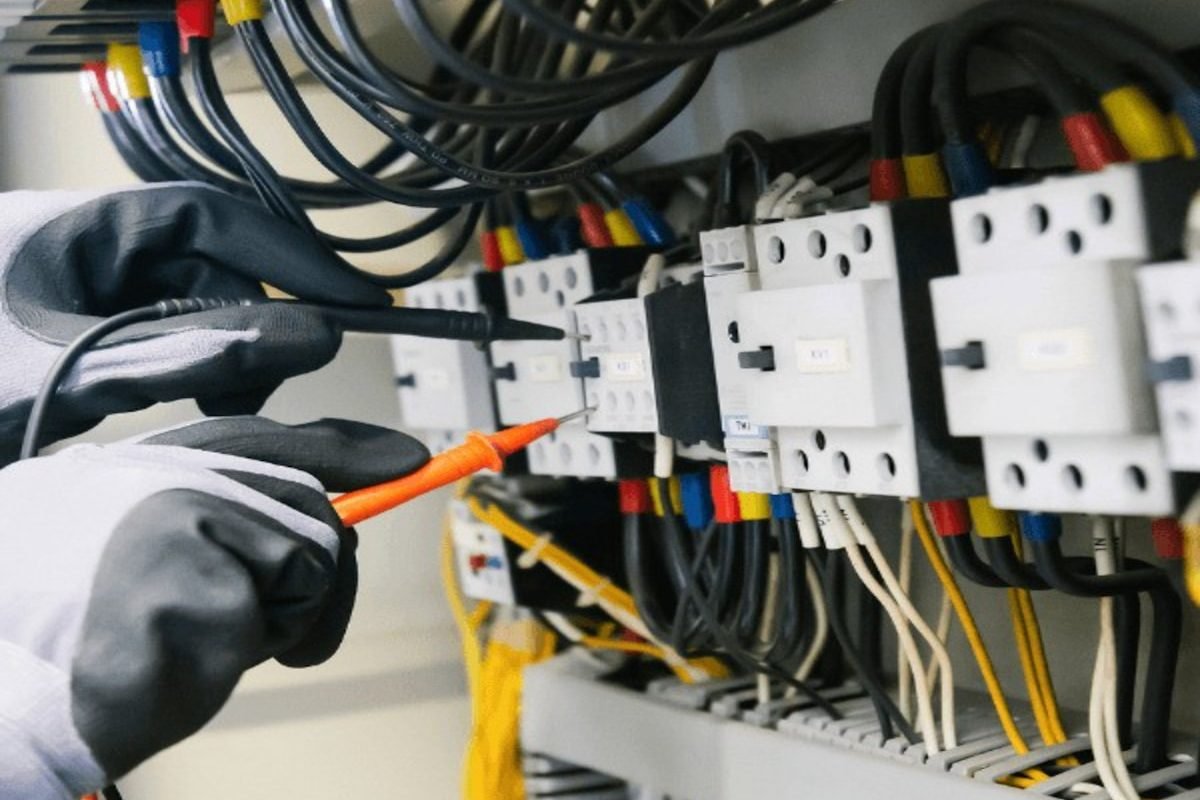
One of the questions we ask every electrical business owner during a first conversation is how much of their revenue comes from testing and compliance work: EICRs, periodic inspections, PAT testing, fire alarm testing, and similar recurring services.
The reason we ask is that testing and compliance revenue is treated very differently from project work in a valuation. Understanding this distinction can materially change the number a buyer is willing to pay.
Why Recurring Revenue Commands a Premium
Project work is inherently lumpy. A good year of commercial installations does not guarantee the next year will be similar, because each project has to be won and delivered from scratch. Testing and compliance work behaves differently. If you test a property in year one and issue an EICR, the client has a legal or contractual obligation to retest within a defined period. That work comes back. It is not guaranteed, but it is substantially more predictable than relying on new project wins.
The Electrical Safety Standards 2020 introduced mandatory five-yearly electrical inspections for private rented sector properties in England. This created a substantial, rolling demand for EICR work across the residential rental sector that continues to generate volume for qualified contractors. Landlords who were tested in 2020 and 2021 are now returning for their second cycle. That is a predictable pipeline.
Buyers understand this predictability, and they price for it. A business with a significant recurring testing and compliance book will consistently attract better multiples than a comparable business that is purely project-based.
What Makes Testing Revenue Particularly Valuable
Beyond predictability, testing and compliance work tends to have characteristics that buyers find attractive. It is typically less owner-dependent than complex project work, because competent engineers can deliver EICRs and PAT testing to a consistent standard without direct owner involvement. It generates documentation that supports the due diligence process, because testing records, client databases, and recall schedules are tangible assets that a buyer can review and value. And it often comes with client relationships that are sticky, particularly in the commercial and landlord sectors where approved contractor relationships are renewed rather than retendered.
The Compliance Landscape Beyond EICRs
For electrical businesses serving commercial clients, the compliance picture is broader than EICR alone. Fire alarm testing and certification, emergency lighting testing, and PAT testing schedules all generate recurring revenue from clients with legal obligations to maintain their systems. Businesses that have built a compliance testing programme across multiple service lines, serving a portfolio of commercial clients, have created something that looks and behaves like a managed service contract book rather than a trade business.
That distinction matters to buyers, particularly PE-backed consolidators who are building platforms in the M&E space. Managed service recurring revenue is the model they want to acquire. If your testing work already looks like that, it will be reflected in the offers you receive.
Before You Go to Market
If your testing and compliance revenue is not yet systematised, the period before a sale is worth using to build the infrastructure: a recall management system, standardised scheduling, and a clear picture of contracted or habitual clients who return regularly. Buyers will ask to see evidence that this revenue is genuinely recurring, not just a description of the type of work you do.
The combination of a well-run EICR and compliance book with strong NICEIC approval is one of the most attractive profiles in the current electrical acquisition market. If you have that, your timing is good.
Find out what your testing and compliance revenue is worth to a buyer.
A free, confidential valuation covering your full revenue profile, including recurring testing work. No obligation.
Request a Free ValuationHow your accreditations affect your valuation.
Buyers pay premiums for the right certifications and compliance records. A short confidential enquiry is the fastest way to understand what your accreditations are actually worth to an acquirer.
Find Out What My Business Is Worth
Confidential. No obligation. No cost for an initial conversation.